Zettlab D6 Nas Device vs Microsoft In 2025 Year In: Which Should You Buy?
I've spent the last six months living with two very different devices on my desk: a Zettlab D6 NAS (network-attached storage) that I use as the center of my home lab and media library, and the Microsoft In 2025 Year In (yes, that's the quirky product name I bought), which I treated as my everyday laptop for work, light media editing, and travel. I bought and used both so I could answer the question that kept popping up in my head: if you had to choose one of these in 2025, which should you buy? Spoiler: they're different tools for different jobs, but there are clear winners depending on how you work.
Why I compared these two
At first glance, comparing a NAS to a laptop seems odd. One is a stationary storage appliance; the other is a personal computer. What pushed me to compare them was my real-world workflow: I wanted a single hub for backups, media streaming, and a place to run a few containers, but I also wanted a powerful, mobile machine that could handle remote work, editing, and quick file-syncs. In practice, the NAS and the laptop overlapped where they mattered — storage, backups, and remote access — so I set them up to work together and evaluated them both independently and as part of the same ecosystem.
First impressions and setup
Zettlab D6 — the unboxing and setup
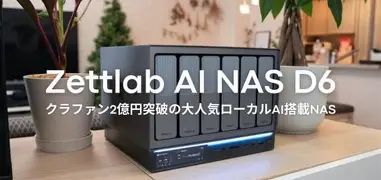
Out of the box, the Zettlab D6 felt solidly built. The chassis is heavier than consumer-grade NAS units I’ve used before, with a metal front and tool-less trays that accept 3.5" drives without fuss. After installing three of my NAS-grade drives (I started with three to test RAID 5-like configurations), the device booted quickly. The initial web-based setup wizard was straightforward — it found the drives, let me create an array, and set up user accounts and SMB shares in under 20 minutes.
What I appreciated: the device shipped with an OS that exposes a simple app store — Docker support, a Plex package, and integrated backup agents for both Windows and macOS. What I disliked: some of the UI wording was oddly translated, and a few advanced settings were buried under multiple clicks. Also, out-of-the-box it enabled automatic indexing for media which spiked CPU use until I turned it off while the array was rebuilding.
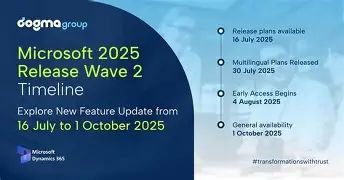
Microsoft In 2025 Year In — first boot
The Microsoft unit felt like a premium laptop. I used it as my daily driver for six months, taking it through client meetings, flights, and into coffee shops. Setup was typical for a modern Windows device: sign in with my Microsoft account, restore settings from the cloud, and install apps. The thing I noticed immediately was how Microsoft leaned into OneDrive integration — files, desktop, and Documents folder syncs were visible and easy to manage.
What I appreciated: the build quality, keyboard feel, and the display's color reproduction for quick photo edits. What I disliked: the default preinstalled apps (bloat) and some aggressive power-saving settings that made me dig into power plans to get consistent performance while plugged in.
Performance and real-world use
Storage, backups and access (Zettlab D6)
I've been using the Zettlab D6 as my canonical backup target. It runs nightly image-based backups from my desktop, versioned Time Machine snapshots for my Mac laptop, and a scheduled folder-sync of my photo archive. Over months of use, the D6 proved reliable — I restored several test backups and they worked as expected. The NAS handles multiple simultaneous SMB transfers well; copying large video files from my workstation peaks the network but stays stable.
One practical detail I learned: the D6's built-in SMB implementation defaulted to medium-sized buffer settings that made small-file transfers feel slow. Tweaking the SMB tuning settings improved responsiveness for many small files, which mattered because I often sync tens of thousands of small images.
Find top-rated Laptops & Computers products at great prices.
Shop Amazon →For remote access, Zettlab’s cloud relay worked in a pinch but felt slower than a VPN into my home network. I ended up setting up a small reverse SSH tunnel and a performant dynamic DNS to access the NAS remotely, which gave me far better transfer speeds and reliability.
Daily productivity (Microsoft In 2025 Year In)
On the Microsoft laptop I wrote, edited, and presented regularly. The CPU and memory (I upgraded to a larger RAM configuration) handled browser-heavy days, video calls, and lightweight Premiere exports fine. When I edited 4K clips, render times were acceptable for a thin-and-light laptop — not a desktop-class workstation, but good enough for occasional content work.
Battery life held up for half-day meetings, but long editing sessions obviously required the charger. One thing that bothered me was fan noise under sustained load; it's audible in quiet rooms even though the chassis is otherwise comfortable to use on my lap.
Software ecosystems and integration
Both devices aim to make storage and workflows easier, but they take different approaches.
- Zettlab D6 is storage-first: its ecosystem focuses on data integrity, local apps, Docker containers, and media serving. It shines when you want local control and long-term archival strategies.
- Microsoft In 2025 Year In is service-first: the Windows environment and OneDrive are tightly integrated, making cloud sync seamless and offering a consistent experience across devices. If you rely on cloud-based collaboration and mobility, the laptop makes everyday work very frictionless.
Reliability, noise, and power
Over months, the Zettlab D6 has been nearly silent during idle periods; under rebuild or heavy disk activity it produces a steady hum and occasional clicks from installed drives, which is normal. Power consumption is higher than a single laptop — it's an always-on device — but it idles efficiently when not serving heavy loads.
The Microsoft laptop has a fan profile that reacts quickly to load; it's not problematic for travel, but I did notice it becoming warm against my legs on flights when running conference calls. Reliability-wise, Windows updates occasionally forced a reboot at inconvenient times (I changed Group Policy to control update timing), but I didn't experience hardware failures.
Price, expandability and long-term value
I won't quote specific prices because they vary, but here's what I observed about value:
Shop the latest Laptops & Computers picks on Amazon.
See Deals →- The Zettlab D6 offers long-term value if you care about expandable, local storage. You can incrementally add drive capacity and swap drives without losing data (with proper RAID/array care).
- The Microsoft laptop gives value in portability and ecosystem convenience. You pay for a premium build and the "works out of the box" cloud integration.
One caveat: the D6's value depends on the drive choices you make. Cheap drives increase risk, and enterprise or NAS-rated drives are worth the investment if you're keeping family photos and irreplaceable data on it.
Pros & Cons
Zettlab D6 NAS — pros & cons
- Pros:
- Excellent local storage capacity and expandability — 6 bays let me grow as needed
- Strong file-serving performance over gigabit and multi-gig networks
- Docker and app support let me run services (Plex, Nextcloud, small containers)
- Quiet at idle and built from solid materials
- Reduced reliance on third-party cloud services — full physical control over my data
- Cons:
- Initial UI has rough edges and some confusing labels
- Remote access via the vendor's cloud relay felt slower than direct VPN
- Requires some networking knowledge to optimize (SMB tuning, DNS, backups)
- Always-on power means continuous electricity usage
Microsoft In 2025 Year In — pros & cons
- Pros:
- Excellent portability and build quality for frequent travel
- Smooth OneDrive and Windows integration for syncing documents and settings
- Good all-around performance for productivity, web apps, and occasional media editing
- Comfortable keyboard and clear display
- Cons:
- Preinstalled apps and default power settings required cleanup
- Fans and heat are noticeable under sustained load
- Storage is limited compared to a multi-bay NAS unless you use external drives or cloud storage
- Not a substitute for long-term bulk storage or an always-on media server
Side-by-side comparison
| Feature | Zettlab D6 NAS | Microsoft In 2025 Year In |
|---|---|---|
| Primary purpose | Centralized storage, backups, media server | Mobile productivity, editing, meetings |
| Portability | Stationary — not meant to move | Designed for travel and daily carry |
| Storage capacity | Multi-terabyte, expandable (6 bays) | Internal SSD moderate; rely on external or cloud for bulk storage |
| Integration with cloud | Optional — local-first, with add-ons for cloud sync | Tight OneDrive integration and Microsoft services |
| Power profile | Always-on, higher baseline power use | Battery-powered, variable power consumption |
| Noise | Quiet at idle; audible under heavy disk activity | Fan noise noticeable under load |
| Ease of setup | Moderate — straightforward for basic use, advanced features require knowledge | Very easy — guided OS setup and account restores |
| Best for | Home labs, media hoarders, backups, privacy-minded owners | Road warriors, office workers, students needing a capable laptop |
Buying guide — how to choose
Here's how I think about which one to buy based on how I used them.
You should pick the Zettlab D6 if:
- You're building a centralized place for photos, videos, and backups. I found that having everything on the D6 removed the friction of managing multiple external drives.
- You want local control over data and are nervous about handing everything to a cloud vendor. In my experience, it's reassuring to have a physical appliance I control.
- You run home services (Plex, Nextcloud, small Docker apps) and want to keep them on a local always-on device.
- You have a stable home network (preferably with multi-gig) and are comfortable with some networking setup.
You should pick the Microsoft In 2025 Year In if:
- You need a single, portable machine for daily productivity, presentations, and travel. I could work anywhere with the Microsoft laptop and not miss my desktop for most tasks.
- You value tight cloud integration and want effortless file sync across devices. The OneDrive restore and selective sync saved me time during setup and when switching machines.
- Your workflow is collaborative and cloud-centric — real-time editing, Teams/Zoom calls, Slack, and web apps are where you spend your time.
- You want a plug-and-play experience without managing a home server.
If you can buy both (my recommendation for many households)
After months of using both, if budget allows, I recommend the combination: use the Zettlab D6 as the always-on storage hub for backups, media, and local services, and use the Microsoft laptop as your mobile workstation. The D6 stores my Originals and long-term backups, while the Microsoft laptop uses OneDrive and a small selective cache for the files I need on the road. That setup covered both mobility and data security in a complementary way.
Real-world annoyances and tips
Here are a few practical things I ran into that I'm glad I learned early:
- On the D6, set a predictable schedule for indexing and heavy tasks (overnight) to avoid daytime CPU spikes.
- Label drive bays and keep hot spares on hand. When I swapped a drive during a rebuild, clear labeling saved me a tense hour.
- On the Microsoft laptop, disable or tweak aggressive sleep settings when doing long file transfers to avoid interrupted uploads.
- Use a local VPN to access the NAS remotely rather than the vendor cloud relay if you want consistent speeds and better security.
- Back up the NAS configuration file after initial setup — it's saved me time restoring the array config in a rebuild test.
Conclusion — which should you buy?
After using both devices for several months, my bottom line is this: buy based on the problem you need to solve. If your main need is centralized, expandable, and private storage with the ability to run local services — the Zettlab D6 is the better buy. It gives you durability, expandability, and peace of mind for long-term data stewardship. If your priority is a reliable, mobile computing environment with seamless cloud sync and the ability to get work done anywhere — the Microsoft In 2025 Year In is the right choice.
Personally, I wouldn't want to live with only one of these devices. The Zettlab D6 keeps my data safe and accessible at home; the Microsoft laptop keeps me productive on the move. Together they covered the workflows I care about: instant access, strong backups, mobility, and minimal daily friction. If you have to pick one because of budget, pick the one that aligns with where you spend most of your time — at home with large storage needs, choose the NAS; on the road and cloud-first, choose the laptop.